
Best Yoga Mats for Home Workouts
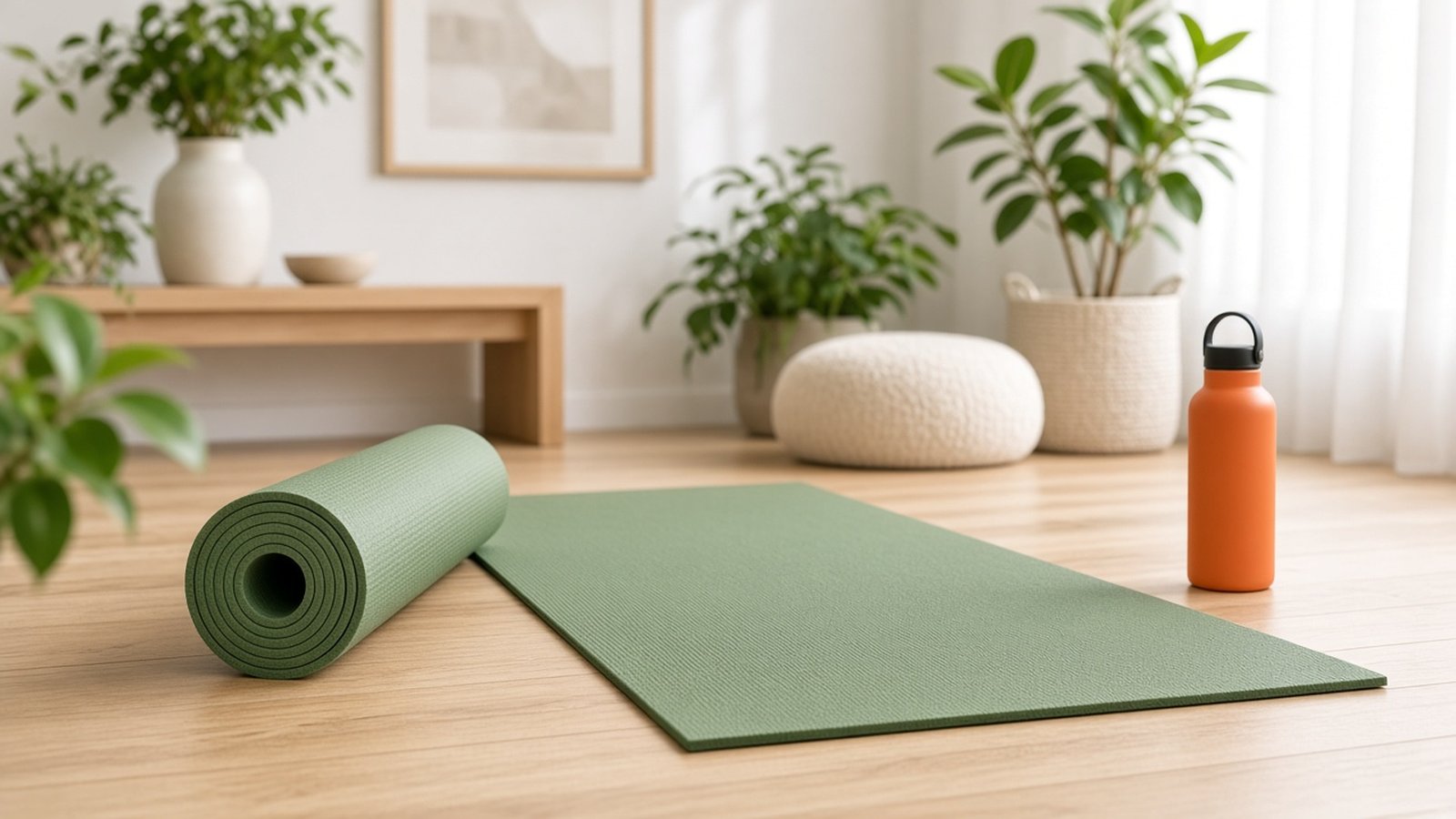
A good mat makes floor work more comfortable, keeps your hands and feet from sliding, and gives you a dedicated spot to train at home. But yoga mats vary a lot in thickness, material, and grip, and the right choice depends on how you plan to use it. This guide covers five well-known mat styles, what to check before you buy, and how to keep your mat in good shape.
A quick word on products: we do not list prices or ratings here, because those change often. The picks below are well-known product lines and product types, described by their general features rather than claims we cannot check. You can check current details, sizes, and customer reviews directly on Amazon using the links below.
Quick Summary
- Best for daily practice: Manduka PRO Yoga Mat
- Easy starter mat: Gaiam Premium 6mm Yoga Mat
- Natural rubber pick: JadeYoga Harmony Mat
- Alignment markers: Liforme Yoga Mat
- Most cushioning: Extra-Thick Foam Exercise Mat
On this page
- Our Top Picks
- Things to Consider Before You Buy
- Mat Materials at a Glance
- Care and Cleaning Tips
- FAQ
- Our verdict
Our Top Picks
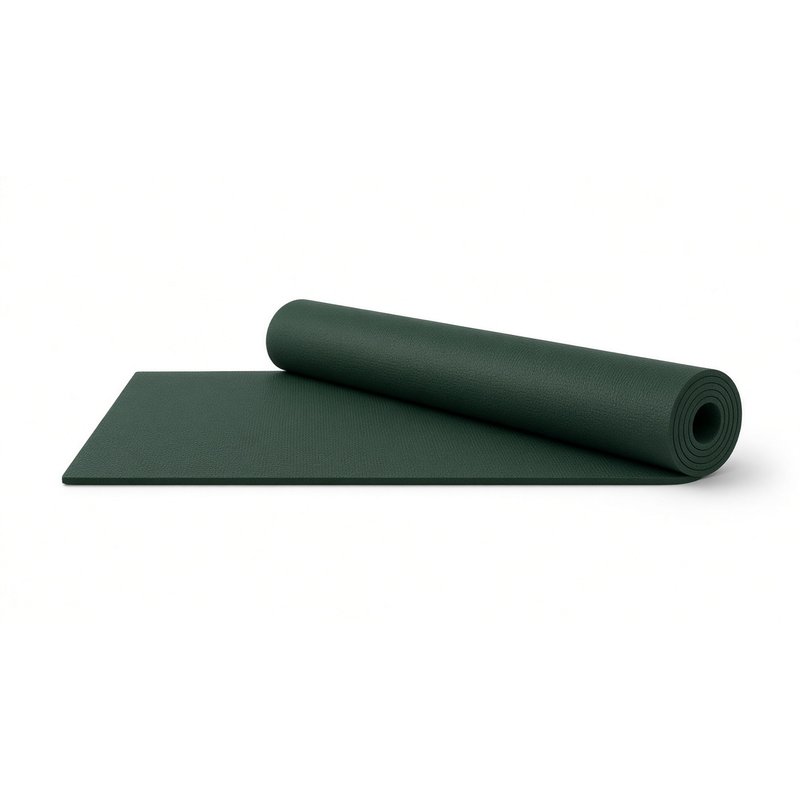
Manduka PRO Yoga Mat
A dense, heavy-duty mat from a long-running yoga brand, known for its firm cushioning and long lifespan. The surface can feel slick at first and usually grips better once it has been broken in.
Who it’s for: People who practice several times a week and want one mat that lasts
Features
- ✓About 6 mm thick with dense, supportive cushioning
- ✓Closed-cell surface that helps keep sweat from soaking into the mat
- ✓Heavier than basic foam mats, so it tends to stay flat and in place
- ✓Easy to wipe clean after a session
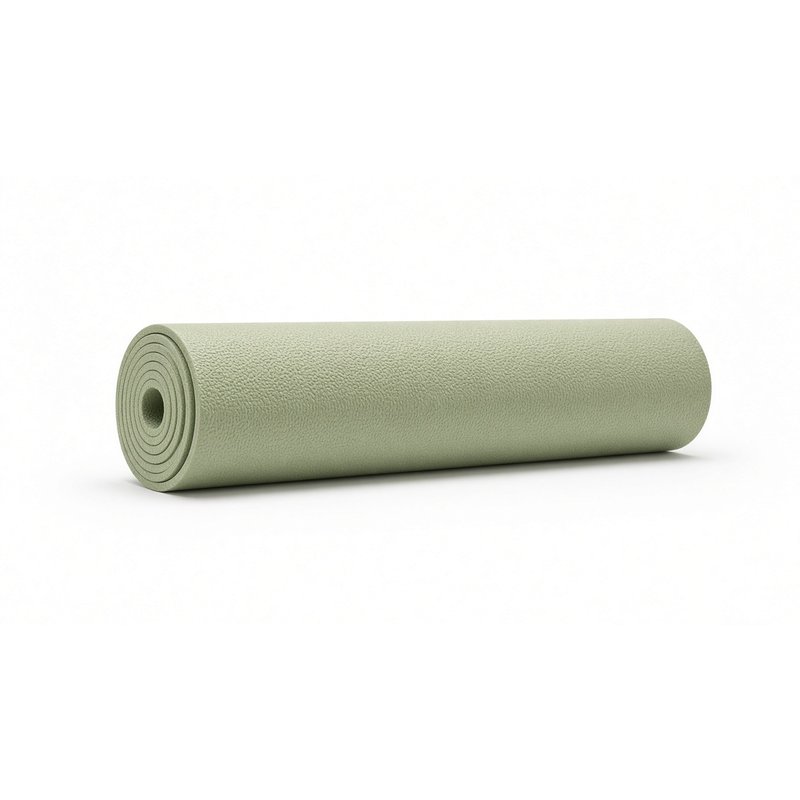
Gaiam Premium 6mm Yoga Mat
A widely available, lightweight mat with extra thickness, which makes it a common first mat for beginners and casual home workouts.
Who it’s for: Beginners and occasional users who want extra padding
Features
- ✓6 mm thickness for extra cushioning on knees and wrists
- ✓Lightweight and easy to roll up and store
- ✓Textured, non-slip surface
- ✓Sold in many colors and prints
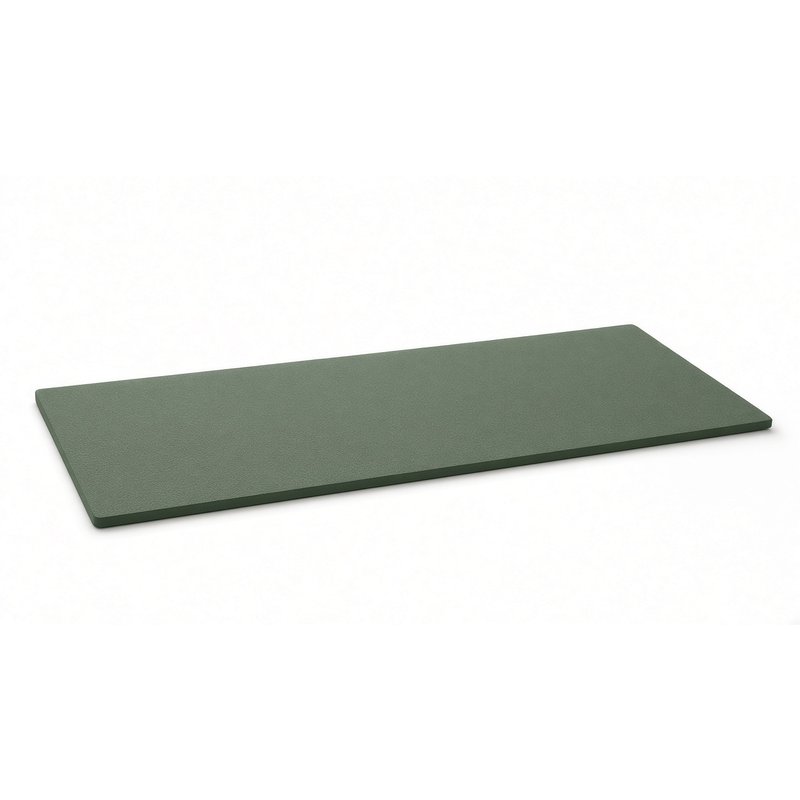
JadeYoga Harmony Mat
A natural rubber mat that many yoga fans choose for grip. Natural rubber has a mild smell when new and is heavier than foam.
Who it’s for: People who want a grippy, natural rubber surface
Features
- ✓Made from natural rubber
- ✓Open-cell surface designed for grip
- ✓Not suitable for anyone with a latex allergy, since natural rubber contains latex
- ✓Heavier than PVC or TPE mats
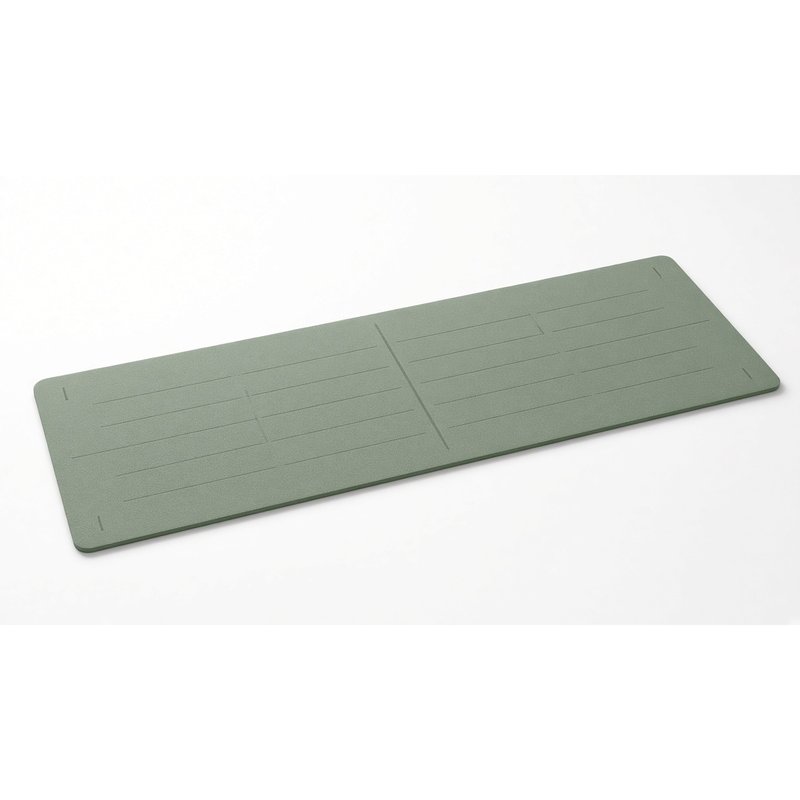
Liforme Yoga Mat
A premium mat best known for the alignment markings printed on its surface, which help you place your hands and feet consistently.
Who it’s for: People learning poses who like visual guides for hand and foot placement
Features
- ✓Printed alignment markers on the top surface
- ✓Grippy top layer
- ✓Thinner than many cushioned mats, which some people find more stable for balance poses
- ✓Wipe-clean surface
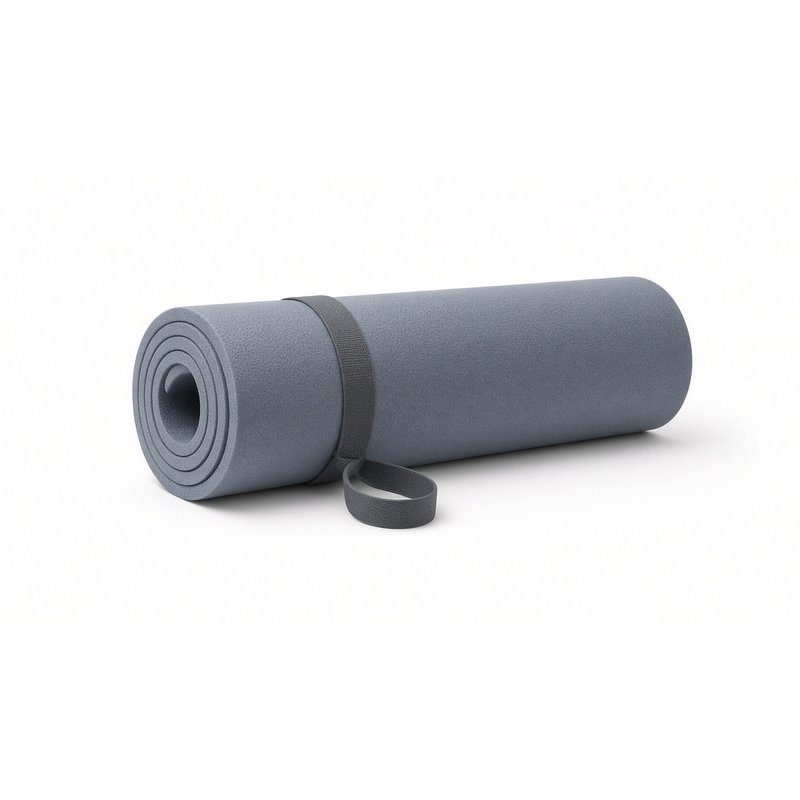
Extra-Thick Foam Exercise Mat
A thick foam mat, often around half an inch, made more for floor exercises and stretching than for standing yoga poses.
Who it’s for: Anyone doing crunches, bridges, and stretches on a hard floor
Features
- ✓Thick, soft foam that cushions knees, hips, and spine
- ✓Lightweight for its size
- ✓Often sold with a carry strap
- ✓Can feel less stable for standing balance poses
Things to Consider Before You Buy
- Thickness: thinner mats (around 3 to 4 mm) feel more stable for standing poses, while thicker mats (6 mm and up) are kinder to knees and wrists on hard floors.
- Material: PVC, TPE, natural rubber, and foam all feel different. If you have a latex allergy, avoid natural rubber and read the listing carefully.
- Grip: think about whether you sweat a lot. Some surfaces grip better when dry, others when slightly damp.
- Size: if you are tall, look for a long or extra-long version so your hands and feet both stay on the mat.
- Weight and storage: dense rubber mats stay put but are heavier to carry. Light foam mats are easier to move and store.
- Cleaning: check how the maker recommends cleaning it before you buy, especially if several people will share it.
Exact thickness, dimensions, materials, and care instructions vary by version, so check the Amazon listing before you buy.
Mat Materials at a Glance
- PVC: durable and widely available, often with a smooth or lightly textured surface.
- TPE: usually lighter and springier than PVC, popular in beginner mats.
- Natural rubber: known for grip and a heavier, planted feel; contains latex.
- Foam (such as NBR): thick and soft, best for floor exercises rather than balance work.
- Cork-topped mats: a natural top layer that some people like for a dry-grip feel.
Care and Cleaning Tips
- Wipe your mat after sweaty sessions with a damp cloth and a mild cleaner suited to its material.
- Let it air dry fully before rolling it up.
- Keep it out of direct sunlight, which can break down some materials over time.
- Roll it with the top surface facing out to help the edges lie flat.
- Replace it when it starts flaking, tearing, or losing its grip.
FAQ
How thick should a yoga mat be?
For general yoga, many people are happy with something in the 4 to 6 mm range. Go thinner if you want more stability for balance poses, and thicker if you mainly do floor work or have sensitive knees.
Can I use a yoga mat for other home workouts?
Yes. Yoga mats work well for bodyweight moves, stretching, and core work. For jumping or heavy weights, a sturdier exercise or gym floor mat is usually a better fit.
Why is my new mat slippery?
Some mats have a smooth finish when new and grip better with use. Follow the maker’s instructions for breaking it in, and wipe away any lotion or oil from your hands and feet before practice.
Is a more expensive mat always better?
Not necessarily. The best mat is the one that suits your floor, your practice, and your comfort. A simple mat you use often beats a premium one that stays rolled up.
Our verdict
The right yoga mat is the one that fits how you move. Choose a thicker mat for floor work and cushioning, a grippier or thinner one for flowing and balance poses, and always check the listing for exact sizes and materials.
Check price on Amazon

Leave a Reply