Starting a workout routine is the easy part. Keeping it going through busy weeks, low motivation, and bad weather is where most of us struggle. The good news is that consistency is a skill you can build with a few simple strategies.
Redefine What Counts
Many people quit because they think a workout must be long or intense to matter. It doesn’t. A 10-minute walk or a short bodyweight circuit still keeps the habit alive. Decide in advance what your minimum version is, and count it as a win.
Start Smaller Than You Think
If you’ve been inactive, begin with a level that feels almost too easy. Two or three short sessions a week is a fine start. You can always add more later. It’s much better to do small sessions for months than big ones for two weeks.
Choose Activity You Enjoy
You’re far more likely to stick with something you like. If you dislike running, don’t run. Consider:
- Walking or hiking
- Dancing in your living room
- Cycling
- Swimming
- Bodyweight workouts at home
- Group classes or sports with friends
Try different activities for a few weeks before deciding what works.
Schedule It Like an Appointment
Put workouts on your calendar with a specific day and time. “I’ll exercise sometime” usually turns into “I didn’t.” Choose a time that fits your energy. Morning people might exercise before work; others prefer lunch breaks or evenings.
Use Habit Stacking
Attach your workout to something you already do. For example: “After I pour my morning coffee, I’ll do 10 minutes of stretching.” Existing routines act as built-in reminders.
Make It Easy to Start
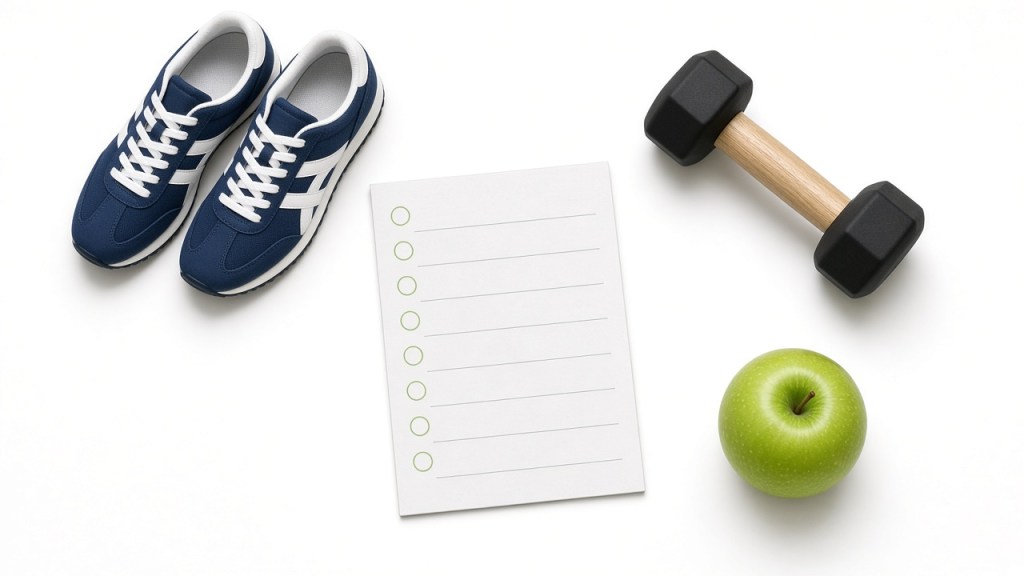
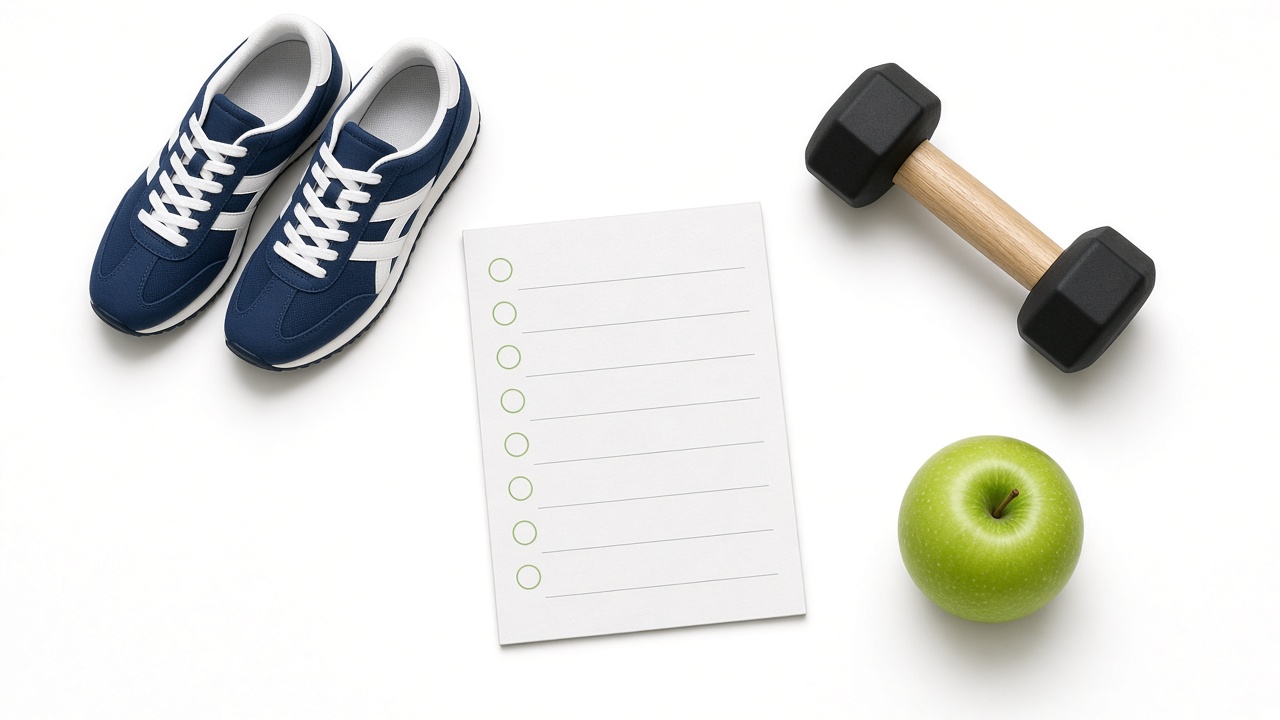
Reduce friction. Lay out your clothes the night before, keep your shoes by the door, and decide your workout ahead of time. The fewer decisions needed, the more likely you’ll start.
Plan for Obstacles
Life will get in the way. Make “if-then” plans:
- If it rains, then I do a home workout.
- If I’m short on time, then I do the 10-minute version.
- If I miss a day, then I do the next planned session without trying to double up.
- If I’m traveling, then I walk and do a few bodyweight moves in the room.
Follow the Never-Miss-Twice Idea
Missing one day is normal. The trick is not letting one miss become two. Returning quickly keeps the habit intact and removes guilt from the cycle.
Track Your Progress Simply
A calendar with an X on each workout day gives a satisfying visual streak. You can also note how you felt afterward. Many people find that mood, energy, and sleep notes are more motivating than numbers on a scale. Focus on actions you control, like showing up.
Find Support
A friend, family member, or online community can help you stay accountable. Try a workout buddy, a weekly walk with a neighbor, or a group class. Telling someone your plan makes it feel more real.
Reward Yourself Thoughtfully
Pair workouts with something you enjoy: a favorite podcast, playlist, or show you only allow yourself during exercise. A small reward after a week of sessions can help too, such as a relaxing evening or a new playlist.
Keep It Varied but Simple
Boredom is a common reason people stop. Rotate between a few options, such as strength one day, walking another, and stretching on a third. Variety can keep things interesting while still being simple to plan.
Listen to Your Body
Rest days are part of a healthy routine. Soreness that fades is normal; sharp pain is not. If you’re returning after illness or injury, or if you have a health condition, check with a healthcare professional before starting something new. Adjust intensity to how you feel, and stop if something seems wrong.
Review Every Few Weeks
Every month, ask yourself:
- What has been working?
- What feels like a chore?
- What would make this easier?
Small tweaks, such as moving your session time or changing the type of workout, can fix problems before you quit.
A Simple Weekly Template
- Monday: 20-minute brisk walk
- Wednesday: 15-minute bodyweight circuit
- Friday: 10 minutes of stretching and mobility
- Weekend: One fun activity, such as a hike or bike ride
Adapt it to your life, and keep your minimum version ready for hard days.
Final Thoughts
Consistency comes from making exercise easy, enjoyable, and flexible. Start small, plan for the rough days, and focus on showing up rather than being perfect. Choose one change from this post and try it this week.


Leave a Reply